Food Waste & Justice: The Overlooked Benefit of Plant-Based Eating
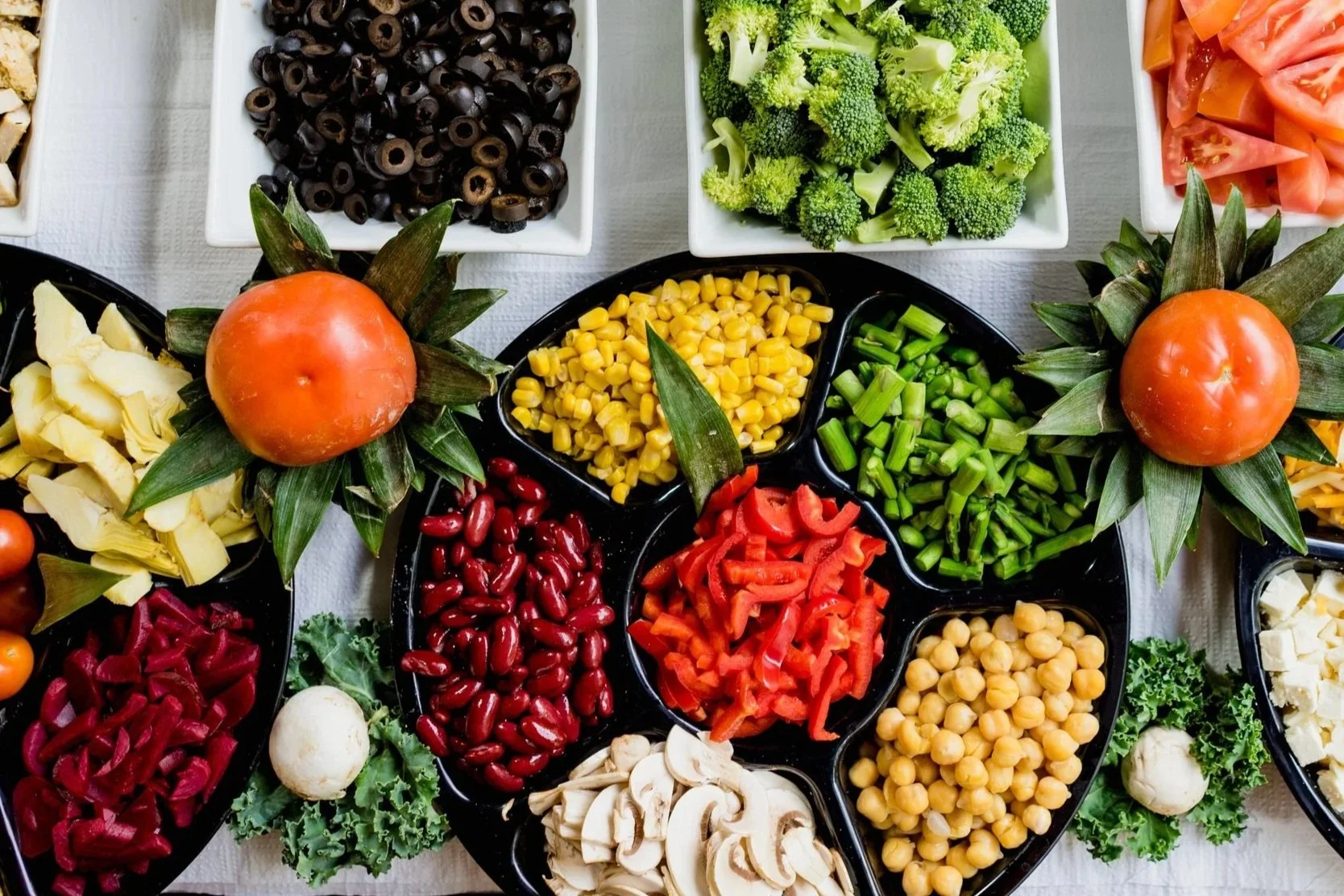
When discussing the benefits of a plant-based diet, animal welfare and climate justice are often at the forefront. But another important benefit receives far less attention: its potential to reduce food waste and free up resources for those in need.
UN Environment Programme has reported that 1.05 billion tonnes of food were wasted at the household, food-service and retail level in 2022. That is almost one-fifth of all food available to consumers!
Food waste, uneaten food which is disposed of, should not be confused with food loss, which occurs when food is being produced, stored, and distributed. While plant-based eating is not a silver bullet for either, it can reduce both direct waste by consumers and businesses and the food loss embedded in our food system.
This becomes clearer when we look at how food reaches our plates. Animal products involve conversion stages that plant foods can often avoid. Animals use most feed energy to maintain their bodies rather than produce edible food: A peer-reviewed analysis published in Global Environmental Change found that only about 2 of every 100 feed calories are converted into edible beef. That inefficiency is compounded by the amount of land involved. Our World in Data estimates that livestock grazing and feed production use around 80% of global agricultural land, while meat, dairy and farmed fish provide just 17% of the world’s calories and 38% of its protein.
Plant-based eating can also make waste prevention easier at home and in the workplace. Relying more on dry goods like beans and grains, allows consumers to avoid animal products’ tighter refrigeration and use-by dates. Plant-based meals are also highly adaptable. Aging vegetables can become soups, curries or sauces, while leftover grains and beans can be reused or frozen. Any food can be wasted, but the core ingredients of a plant-based diet give households and caterers more time and flexibility to prevent it.
The same principle applies on a much larger scale. Animal-heavy diets in wealthier countries place pressure on land far beyond our plates. Cattle ranching is a major driver of Amazon deforestation, while soy production has cleared native vegetation in Brazil’s Cerrado as pasture for cattle encroaches further and further into the interior of the rainforest. According to the World Resource Institute, more than three-quarters of global soy is used as animal feed rather than food for people.
Western meat consumption is not the sole cause of hunger, but it keeps crops and land tied to an inefficient system and can add pressure to food supplies and prices. Eating more plants and wasting less is therefore one way wealthier societies can reduce their claim on shared resources while supporting a fairer and more resilient food system.
Individual consumers and households can only do so much to address this problem. Large corporations and organizations need to step up and do their part to address this. Fortunately, we have seen positive developments in that exact direction.
IKEA has expanded its plant-based offer and separately reports that mandatory measurement and AI-supported tracking helped its restaurants halve preparation waste by the end of 2022, compared with 2017.
Accor places plant-forward menus and food-waste reduction within the same responsible-food strategy, targeting 35% plant-forward dishes and a 60% reduction in food waste by 2030. Its methods include staff training, measurement and confirming guest numbers before events.
Sodexo’s partnership with Oasis Community Learning shows how plant-based menus and waste prevention can work side by side. Its Plant+ programme, developed with WWF-UK, encouraged pupils to choose more plant-based meals, while its WasteWatch system measured and reduced kitchen waste. Between September 2022 and August 2023, Sodexo reported a 43% reduction in food waste across Oasis academies, the equivalent of 30,249 meals.
For employees ready to turn these ideas into workplace action, Vegan Leaders in Corporate Management’s Workplace Catalyst for Change programme offers a practical place to begin.
Christopher Newell, Content Manager, Vegan Leaders in Corporate Management